The clothing sample maker inside a real factory.
First sample to signed sign-off from $850 per style. Sewn by the same hands that will build your production run.
Not a standalone sample room. Your prototype is drafted, sewn, and fitted on the floor that produces your run, so the piece you approve is the piece you receive. Free fixed quote within 48 business hours.
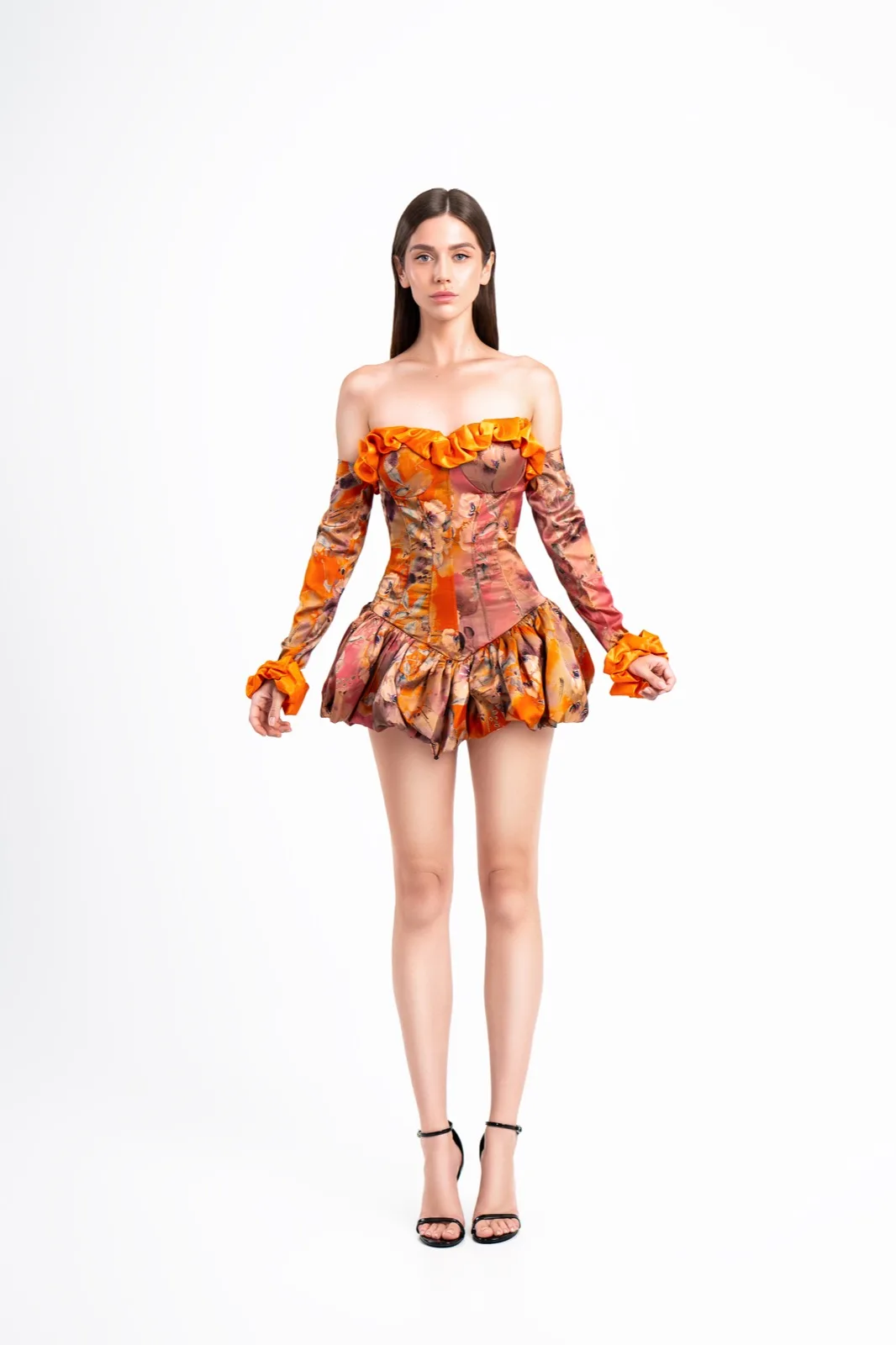 Atelier sample · look 26
Sewn in our own workroom



 If it is good enough for their editors, it is good enough for your customers.
What a sample actually proves.
Sampling is the honest gateway to production. It is the last moment a mistake is cheap, and the first moment your brand is real.
Every garment you have ever admired was preceded by a sample, because a sample is the only place where a design can fail safely. On paper, every collection is perfect. In cloth, the truth arrives fast: whether the pattern balances on a moving body, whether the fabric drapes the way it looked in your head, whether the closures survive a week of wear and the seams survive a wash. A sample converts all of that from opinion into evidence, for hundreds of dollars instead of thousands.
A sample also does commercial work no document can. It is the piece you photograph for the campaign, the piece a boutique buyer holds before writing an order, the piece you take preorders against while production runs. And it settles your economics: once a sample exists, the cost of the garment stops being an estimate. Fabric consumption is measured, construction minutes are counted, and the production quote you receive is a commitment rather than a guess. That is why we treat sampling not as a teaser service but as the stage where your production run is actually decided: what it will look like, what it will cost, and whether it deserves to exist at scale.
The toile.
A fit study sewn in inexpensive cloth before your real fabric is touched. It exists to resolve balance, ease, and line while a correction costs minutes. Used for complex or fitted pieces; simple styles often go straight to a first sample.
The cheap place to be wrongThe fit sample.
The design in its actual fabric with its actual construction, measured against the spec and fitted on a body. After your adjustments are applied and signed off, it becomes the reference every production piece is judged against.
The production standardThe salesman sample.
The market-facing piece: the one you shoot, show buyers, and presell. Because ours are sewn to the same standard as production, the promise you photograph is the product your customer receives.
The piece that sells the runWhy you should sample where you will produce. A beautiful sample from a standalone sample room can still sink a production run.
Standalone sample studios make lovely one-offs. The trouble starts afterward, when the sample travels to whichever factory wins the production quote. Different machines, different hands, different default seam allowances, a pattern redrawn to suit another line: each translation moves the garment a little further from the piece you approved. The fit drifts, the finish changes, and nobody is technically at fault, because the people who made the promise are not the people delivering it.
When the sample room and the production line share one roof, that entire class of failure disappears. The pattern that made your sample is the pattern that cuts your run. The machine settings are recorded, not reinterpreted. The costing done at the sample stage holds at production, because it was measured on the equipment that will do the work. And your signed sample hangs in the production room as the quality standard, checked against every piece, with one house accountable for the distance between the two.
The sample you approve is the garment you receive.
What $850 per style includes.
The floor covers a complete cycle to sign-off: a first sample, a recorded fit session, and a second sample with your adjustments applied. Complex construction scales the price, and every figure is fixed in writing before the first thread is cut.
Two rounds are included and cover most projects. Additional rounds are quoted at materials and labour. A sample that misses the agreed specification is remade at our cost, always. The approved sample becomes the contract-grade reference, and the tech pack is updated with every change so the document and the garment agree.
First sample built faithfully to the tech pack in production fabric and hardware, photographed from every angle before it ships to you. Five to seven business days.
In person or by video. Every adjustment is recorded with notes and measurements, so nothing lives in memory.
Your adjustments applied, sewn again, four to five business days. This is the version production is expected to match.
Writes one with you first, and it is yours to keep. Sampling then proceeds from the document we wrote together.
From approved sample to a five piece run.
Sampling here is a doorway, not a dead end. The path to production is short, priced, and already scheduled.
The day you sign off the sample, production can begin: the same line, the same pattern, the same hands. A run takes four to six weeks from sign-off, with a minimum of just five units per style with the design fee, so your first production decision is sized like an experiment rather than a leveraged bet. Production floors start at $75 per unit for jersey, $85 for swimwear, $220 for dresses, and $850 for hand-canvassed jackets, quoted fixed before cutting.
Nothing about the arrangement is a lock-in. The tech pack, the pattern, and the sample are yours whether you produce with us or anywhere else. Most clients stay for the obvious reason: the factory that sewed the sample is the only factory that never has to reinterpret it. When a style proves itself, reorders re-enter the queue directly at production, pay per-unit cost only, and are checked against the same archived sample every time.
Sample making, honestly answered.
What designers ask before commissioning a first sample.
How much does a clothing sample cost?
The sampling floor is $850 per style, and it includes a first sample, a recorded fit session, and a second sample with your adjustments applied. Complex construction scales the price, and every figure is fixed in writing before work begins. If a sample misses the agreed specification, it is remade at our cost.
How long does garment sampling take?
About two to three weeks from tech pack hand-off to a signed-off sample. The first sample takes five to seven business days, the fit session about ninety minutes, and the second sample four to five business days.
Can you make a sample if I don't have a tech pack?
Yes. The design engagement, from $2,500 per style, turns sketches or references into a working pattern and a full tech pack first, and both belong to you. Sampling then proceeds from the document we wrote together.
What happens if the sample is wrong?
If the sample does not match the tech pack, wrong fabric, wrong measurements, or construction errors, it is remade at our cost. If you change the design after seeing the sample, the next round is a paid revision, because it is honestly a different piece. We say which is which, in writing, when it happens.
Can I use the sample to sell before production?
Yes, and you should. Because samples are sewn with the same fabric, hardware, and construction as production, the piece you photograph, show buyers, and take preorders on is the piece your customers will receive.
Am I locked in to producing with you after sampling?
No. The tech pack, the pattern, and the sample are yours whether or not you continue. Most clients do continue, because the line that sewed the sample is the line that produces the run, from five units up, with reorders at per-unit cost only.
One sample. One fixed price. 48 hours.
Describe the piece you want sampled. The founder personally reads every brief and writes back with a fixed sampling price, a real timeline, and an honest answer on whether we're the right maker for it. No discovery call, no sales follow-up.
48h fixed quote.
A fixed sampling price in writing, before work begins.
Wrong sample? Remade free.
A sample that misses the agreed specification is remade at our cost, always.
Your tech pack stays yours.
The pack, the pattern, and the sample are yours whether or not you continue.
48h fixed quote · wrong sample? remade free · your tech pack stays yours
48-hour fixed quote. No calls unless you want one. No spam, no automated follow-ups. The founder reads every project personally.
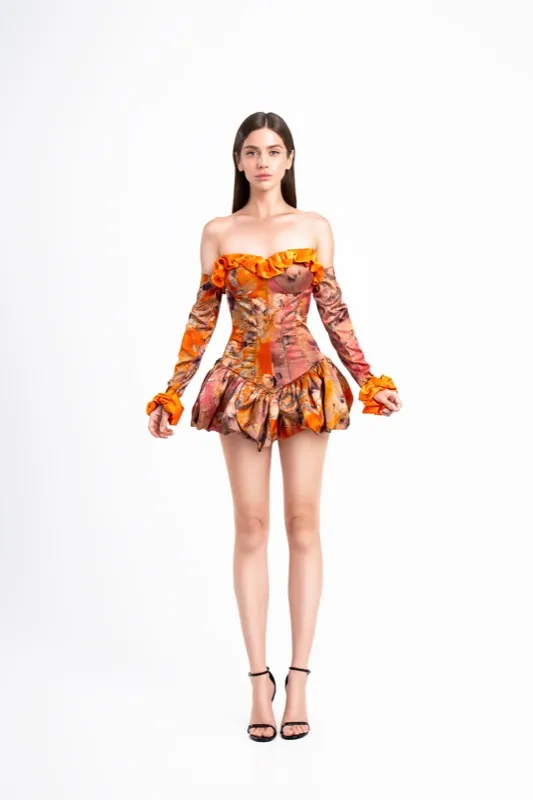 Atelier sample, sewn in our own workroom. Client work from this atelier has been featured in Vogue, Harper's Bazaar and TIME.
Asked before every order.
How much does a clothing sample cost?
The sampling floor is $850 per style, and it includes a first sample, a recorded fit session, and a second sample with your adjustments applied. Complex construction scales the price, and every figure is fixed in writing before work begins. If a sample misses the agreed specification, it is remade at our cost.
How long does garment sampling take?
About two to three weeks from tech pack hand-off to a signed-off sample. The first sample takes five to seven business days, the fit session about ninety minutes, and the second sample four to five business days.
Can you make a sample if I don't have a tech pack?
Yes. The design engagement, from $2,500 per style, turns sketches or references into a working pattern and a full tech pack first, and both belong to you. Sampling then proceeds from the document we wrote together.
What happens if the sample is wrong?
If the sample does not match the tech pack, wrong fabric, wrong measurements, or construction errors, it is remade at our cost. If you change the design after seeing the sample, the next round is a paid revision, because it is honestly a different piece. We say which is which, in writing, when it happens.
Can I use the sample to sell before production?
Yes, and you should. Because samples are sewn with the same fabric, hardware, and construction as production, the piece you photograph, show buyers, and take preorders on is the piece your customers will receive.
Am I locked into producing with you after sampling?
No. The tech pack, the pattern, and the sample are yours whether or not you continue. Most clients do continue, because the line that sewed the sample is the line that produces the run, from five units up, with reorders at per-unit cost only.